
Designing the Future of New York City
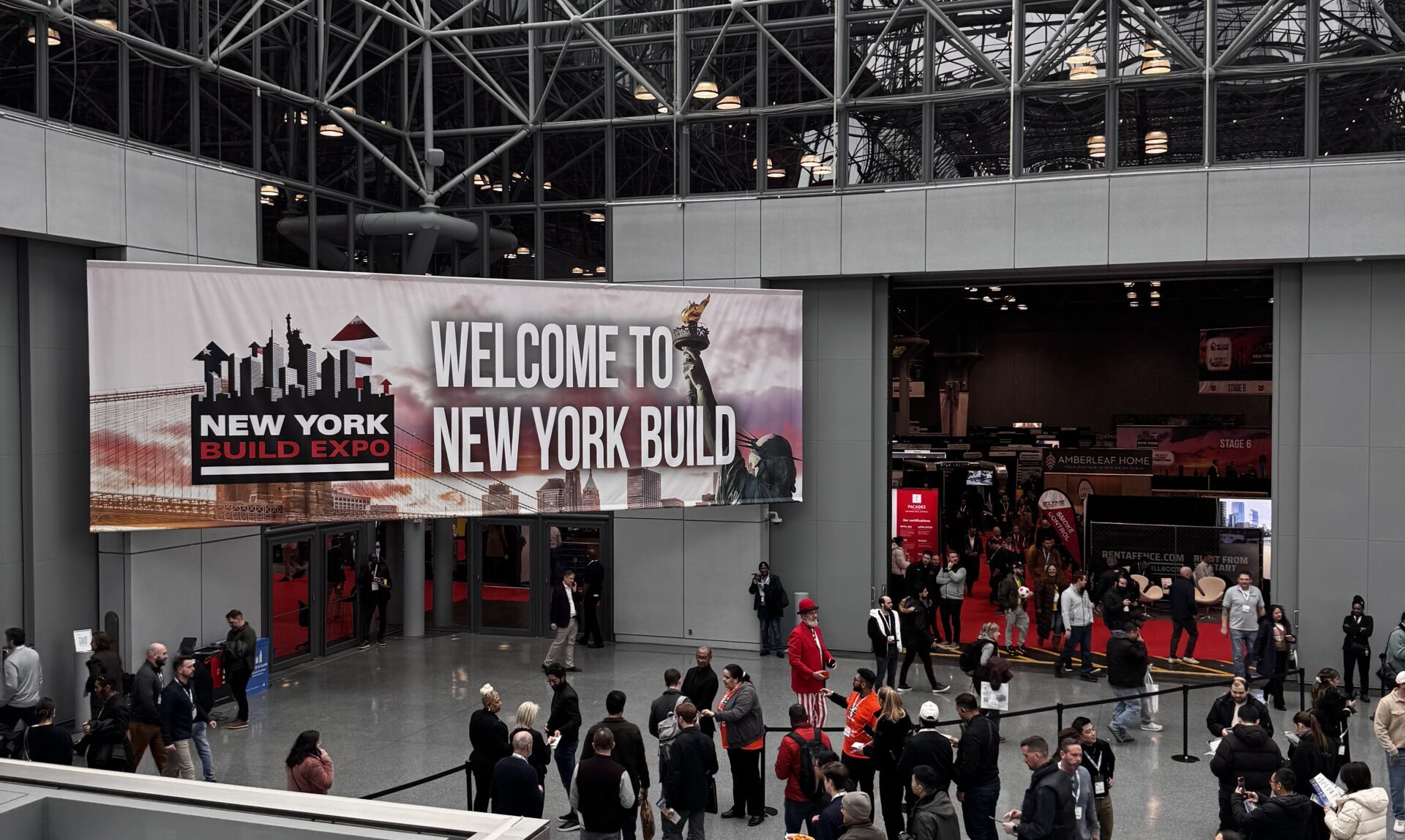
Last week at the New York Build Expo, one theme resonated across every conversation: the built environment is shifting from isolated “objects” to integrated systems. Architecture is no longer just about the building—it’s about how design influences how we move through and connect within the city.
From Iconic Buildings to Public Impact
Discussions focused on how architectural and experience design are expanding beyond individual forms. Projects like Second Avenue Subway Phase 2, Penn Station, and the Port Authority Bus Terminal are being rethought as civic infrastructure that supports public life, resilience, and long-term performance. For example, how can the corridor on 9th Avenue or Metropolitan Park near Citi Field be developed to offer communal opportunities that bring delight—places where you’d want to hang out and enjoy socially.
Policy as a Catalyst for Performance
While the public demands better experiences, policy is mandating better performance. Local Law 97 is a massive driver here, requiring buildings over 25,000 sq. ft. to hit a 40% reduction in emissions by 2030. This change is encouraging teams to think seriously about sustainability from the start, forcing owners and designers to treat adaptability and flexibility as mandatory features rather than premium “value-adds.”
Human-Centered & Community-Driven Design
A recurring sentiment was to design for a network of shared values defined by the community. In this model, the architect acts as a guide, fostering trust and transparency. The Borough-Based Jails (BBJ)program was highlighted for its attempt to bring humanity to an institutional program while actively giving back to the surrounding neighborhoods.
Workplaces That Tell a Story
As AI reshapes our workflows, the value of physical office space is increasingly tied to what technology cannot provide: culture and human connection. To attract and retain top talent, the modern office must balance “hard” task-driven zones with “soft” social and focus areas. The office is no longer just a place to work; it’s a tool for storytelling and employee experience.
Interior Design and Material Authenticity
In the interior design space, there was a fascinating focus on the “science” behind the art. While we talk about biophilia and beauty, the underlying goal is to create spaces that are intuitive, grounded, and sincere.
A primary driver is “Material Authenticity”—the move toward using real, tactile materials over synthetic or chemically based alternatives. This is gaining significant value in the healthcare, residential, and hospitality sectors. For instance, metal and wood are now being considered for signage in place of traditional acrylics. By prioritizing sustainable, non-toxic elements, we aren’t just creating signs; we are enhancing the sensory experience to ensure a space feels grounded and centered on long-term wellness.
Infrastructure as a Tool for Connection
Transportation panels looked beyond the rails to the role infrastructure plays in neighborhood equity. Projects like the Bronx Expressway Study are opportunities to reconnect communities once divided by old urban planning. A workshop on the subway system further reminded us that accessibility leads to better access for everyone; when we solve for mobility aids or luggage, the experience improves for all users.
The Regulatory Framework for Building Code
A session led by the Department of Buildings detailed upcoming code changes effective July 17, 2027. While the discussion offered deep dives into residential structures, there was a notable absence of information regarding signage. Clarifying how these code updates impact environmental branding and wayfinding will be a critical next step for design teams.
Design Across Disciplines
The panels highlighted that a truly collaborative approach—where owners, designers, and end-users define success collectively—is the only way to build the trust needed to be nimble. One of the most profound takeaways was that “fixing a problem” is typically the most collaborative moment in a project, usually revealing a flaw in the process rather than an individual mistake. To stay adaptive, we must treat project management as a team sport: pick up the phone, have regular touchpoints, and meet in person when possible.
Changing the Industry Itself
The future of our field is defined as much by who is shaping it as by what we are building—a critical truth that centered the conversation during the panel on women leading the industry. Speakers shared powerful insights on navigating the field, emphasizing that mentorship, visibility, and taking initiative are not just personal career moves but institutional necessities. It was a vital reminder that for the industry to truly evolve, we must be as intentional about our leadership culture as we are about our blueprints.
A Big Takeaway
The built environment is becoming more complex, yet the expectation is that it should feel simpler and more intuitive for the user. This creates a massive opportunity to focus intentionally on experience, clarity, and accessibility.
If you were at New York Build this year, I’d love to hear what stood out to you!
Photo Credit: Via Collective