
Human-Centered Design: International Wayfinding Month
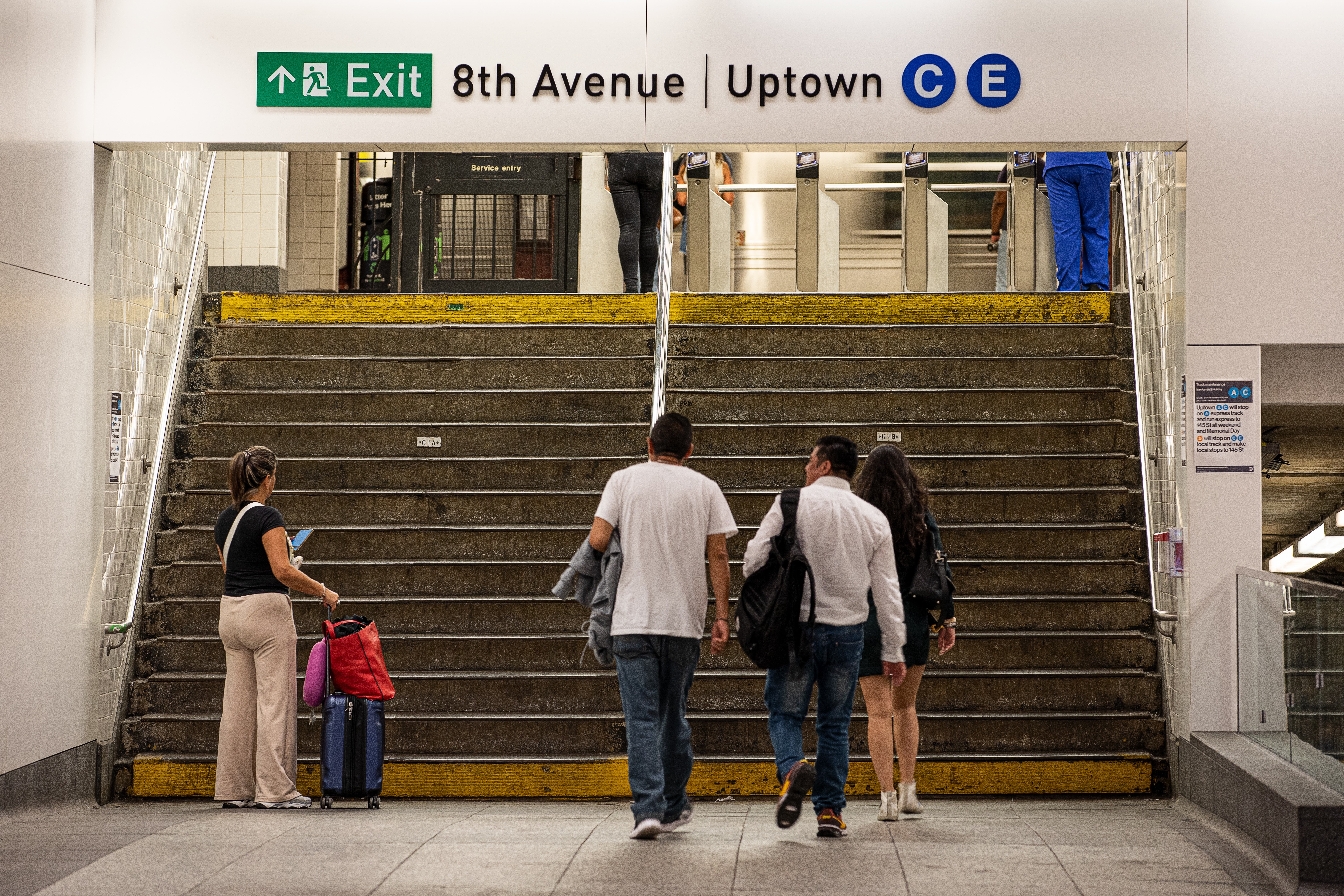
Each January, International Wayfinding Month invites us to reflect on the essential role wayfinding plays in how people experience the built environment around the world. For Via Collective, this moment is an opportunity to pause and consider why wayfinding remains so central to how we think about design, access, and human experience. From hospitals and universities to transportation hubs, civic spaces, and urban centers, wayfinding systems quietly guide us—shaping how confident, comfortable, and connected we feel as we move through unfamiliar places.
Clarity & Care
At its heart, wayfinding is about clarity and care. It brings together design, psychology, architecture, and communication to help people navigate spaces intuitively. Effective wayfinding reduces stress, saves time, and creates a sense of welcome—particularly in complex environments such as healthcare facilities, large campuses, and public institutions, where visitors may already feel uncertain or overwhelmed. A clear sign, a thoughtfully placed landmark, or a consistent visual cue can transform a confusing journey into a reassuring one.
A Responsibility to the User
For Via Collective, wayfinding is foundational to how we approach the built environment. We see it as a responsibility—one that acknowledges people arrive in spaces with different needs, abilities, emotions, and levels of familiarity. When someone feels lost or frustrated, the environment is not doing its job. Thoughtful wayfinding is a way of listening, anticipating questions before they are asked, and responding with clarity and empathy.
On a personal level, our connection to wayfinding comes from understanding how powerful it feels to be oriented. Knowing where you are, where you’re going, and how to get there builds confidence and trust in a place. In healthcare, civic, and public settings especially, that sense of orientation can offer comfort during moments that are already stressful or uncertain. These experiences reinforce our belief that good wayfinding is not just functional—it is deeply human.
Professionally, wayfinding represents a commitment to careful thinking and long-term impact. It requires research, collaboration, and an understanding of how people actually move through space. We are drawn to wayfinding because it sits at the intersection of strategy and empathy, where clarity supports independence and access for all.
International Wayfinding Month also highlights the broader importance of navigation and access on a global scale. Across cultures and contexts, wayfinding supports accessibility and inclusion by helping people of all abilities, languages, and backgrounds move independently and with confidence. Clear hierarchies, legible typography, intuitive iconography, and consistent cues are not simply design choices—they are tools that promote dignity and equity.
The Future of Navigation
As our environments continue to evolve, so too does wayfinding. Digital tools, mobile navigation, and real-time information increasingly complement physical systems, while sustainability and adaptability influence how solutions are planned and maintained. Yet the goal remains the same: to create environments that respond to real human needs.
As International Wayfinding Month comes to a close, Via Collective is reminded of why the work we do truly matters. The next time you navigate a hospital, explore a campus, or visit a new city, take a moment to notice the systems guiding you along the way. Wayfinding may often go unnoticed, but its impact is lasting—helping people feel oriented, empowered, and at ease wherever they are in the world.