Attending SEGD’s annual conference was a reminder that great experiential design begins with curiosity, one of the four foundational values at Via Collective. Before we can create intuitive environments, we need to understand how people move through spaces, make decisions, emotionally respond to their surroundings, and build a sense of place.
Intuitive design is never accidental. It is the result of careful observation, thoughtful strategy, and a willingness to see the world through someone else’s eyes.
Designing Spaces That Feel Intuitive
Too often, design is based on architectural plans, building numbers, and organizational systems that make sense to the people who create them. But visitors do not experience the sites they move through the way they are drawn. Alternatively, they experience them through a series of individual decisions, asking themselves variations of the following questions: Where am I? Where do I need to go? Am I on the right path?
A key theme throughout the conference was the importance of observing real people in real environments. By identifying patterns in how people connect to the space they are in, through movement, where they hesitate, and where confusion occurs, we can uncover opportunities to improve the experience. Interviews help us understand not just what people do, but why. Journey maps and research-based personas then translate those insights into meaningful design strategies.
This approach challenges us to move beyond designing for users to designing with them. The goal is to create an environment where each decision feels manageable, and the next step feels clear. When wayfinding works well, people can focus less on figuring out where they are and more on experiencing the place itself.
Making Room for Different Experiences
Intuitive design also requires us to recognize that people experience the same environment differently. Visitors arrive with varying levels of familiarity, different amounts of time, and different needs, abilities, and ways of processing information.
Someone who knows a station well but is rushing to catch a train needs something different from a first-time visitor with time to explore. A person navigating an unfamiliar environment under pressure may need immediate, unambiguous directions and fewer decisions along the way.
Complicating things further, for the design solution to be truly universal, we must consider a wider range of experiences and create environments that work for more people, more of the time. At the end of the day, design is not simply about meeting requirements; it is about understanding the barriers people encounter and making thoughtful choices that help everyone navigate with greater confidence.
Learning From the People Around Us
One of the most rewarding aspects of the SEGD conference was the opportunity to learn from peers across the industry. Hearing how others approach challenges, draw from their experiences, and evolve their design practices was a reminder that there is no single path to meaningful design. Each perspective brings something new to the conversation.
These exchanges reinforced the value of staying open to new ideas, learning from different perspectives, and bringing that inspiration back into our own practice. The more we share what we know and remain curious about how others see the world, the more opportunities we create to grow as designers and strengthen the experiences we create for others.
The Value of Staying Curious
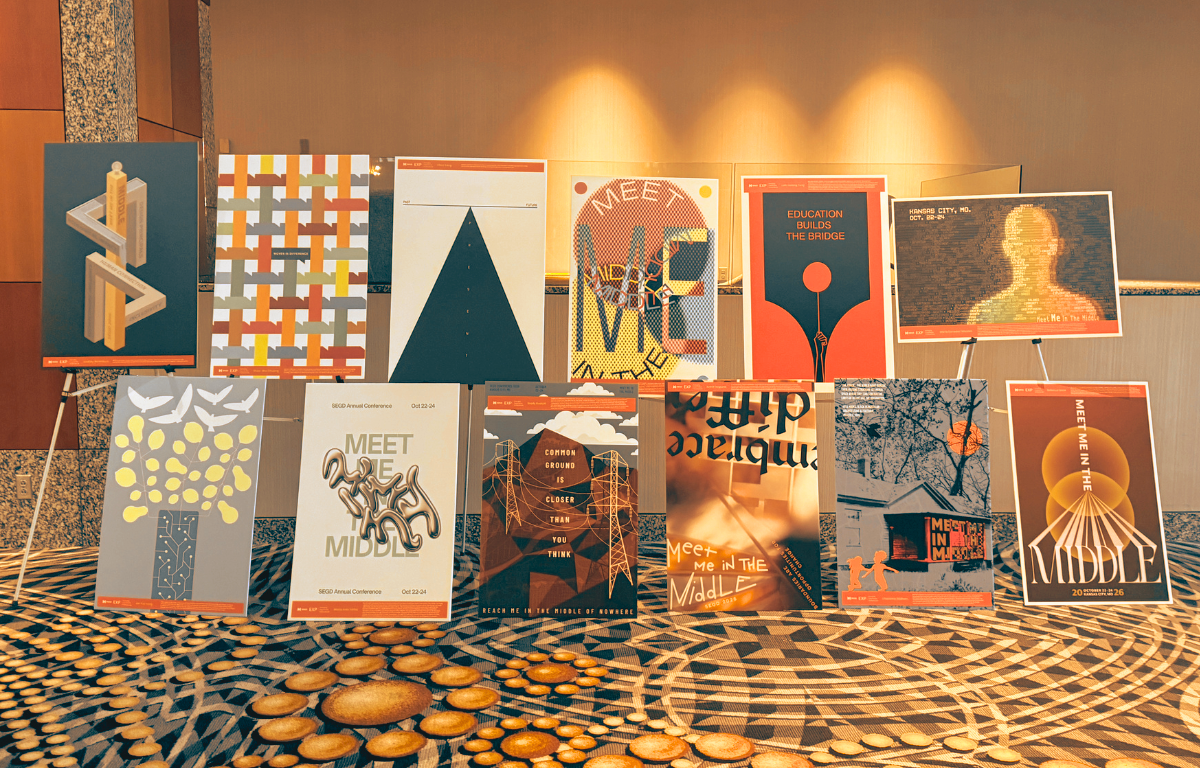
I left Kansas City thinking about the middle as a place of curiosity, empathy, and collaboration. Whether we are learning from fellow designers, working across disciplines, or helping a visitor find their way, there is always something to gain by seeing a situation through someone else’s eyes.
At Via Collective, this idea is at the heart of what we do. Great projects come to life through the collective knowledge, creativity, and experience of the people involved. By bringing together different perspectives, asking thoughtful questions, and working toward a shared vision, we can turn ideas into meaningful experiences.
Intuitive design may feel effortless to the person experiencing it, but behind that simplicity is a network of people working together, learning from one another, and making thoughtful decisions at every stage.
That is what I will carry with me from Experience Kansas City: a renewed appreciation for the power of curiosity, the value of different perspectives, and what we can accomplish when we bring people together to create something meaningful.